








Disclosure: This post may contain affiliate links, which means we may receive a commission if you click a link and purchase something that we have recommended. While clicking these links won't cost you anything, they will help us keep this site running and free for everyone.
If you’re planning a trip to Copenhagen, there are a few key things you should know before you go - from how expensive Copenhagen really is and whether people speak English to how easy it is to get around and how many days you actually need.
In this guide, we'll cover everything you need to know about planning a trip to Copenhagen to help you know exactly what to expect before you arrive.
1. What currency do they use in Copenhagen?
The official currency in Copenhagen is the Danish Krone (DKK) - Denmark doesn't use the euro.
Card payments are the usual form of payments, with everywhere accepting contactless cards, so you don't need to get cash out at all during your trip.
ATMs are widely available if you do need to withdraw money - and we highly recommend using a travel card that doesn't charge for foreign transaction fees.
With a Wise travel card you get the real exchange rate (without hidden fees or crazy markups) so you can spend in over 40 currencies from one place.
2. Is Copenhagen expensive to visit?
Copenhagen is one of the more expensive cities in Europe, particularly when it comes to accommodation and eating out, but you can still manage to visit Copenhagen on a reasonable budget.
Restaurant meals, coffee and attractions tend to cost more than in many other European capitals, which can come as a surprise for first-time visitors.


Some museums are free or included with city passes, public transport is efficient and there are plenty of ways to keep costs down by choosing budget-friendly accommodation, eating lunch deals and exploring the city on foot.
For a full breakdown of how much we spent during our trip and the typical travel costs, see my complete guide on how expensive Copenhagen really is.
 Chloe Butcher
3. What plug type is used in Copenhagen?
Copenhagen uses Type C and Type F plugs, which have two round pins and are standard across most of Europe.
We don't travel without a universal travel adapter that includes multiple plug types and USB ports, as you can use it anywhere in the world and charge several devices simultaneously!
4. What language do they speak in Copenhagen / Do they speak English?
The official language spoken in Copenhagen is Danish, but the majority of people speak fluent English too - at least in our experience!
You'll see English used on signs, menus and transport information, so you shouldn't have any language barriers and you won't need to speak it to get by in Copenhagen.
However, we personally like to learn a few basic phrases in every country we visit, even if it’s just to say common greetings in the local language.
Here's some common phrases in Danish:
- Hi/hello: Hej
- Good morning: Godmorgen
- Thank you: Tak
- Yes: ja
- No: ingen
5. What is the best time to visit Copenhagen?
The best time to visit Copenhagen depends on what you want to experience! Each season offers a slightly different experience depending on what you’re looking for.

- Spring (March to May) - Spring is a great time to visit Copenhagen as the city starts to warm up and crowds are smaller than in summer.
- Summer (June to August) - Long daylight hours, warm temperatures and a lively atmosphere, but it’s also when prices are highest and attractions are busiest.
- Autumn (September to October) - Cooler temperatures, fewer tourists and autumn colours, making it a good option if you prefer a quieter trip.
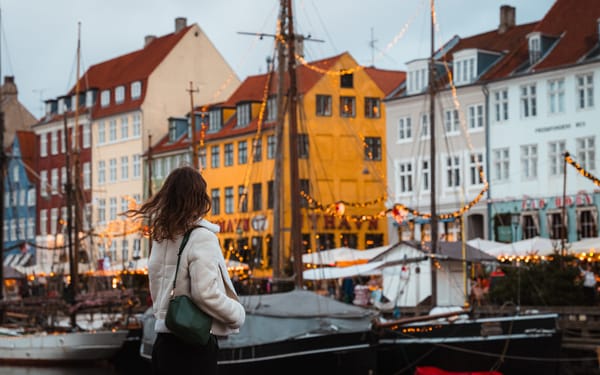
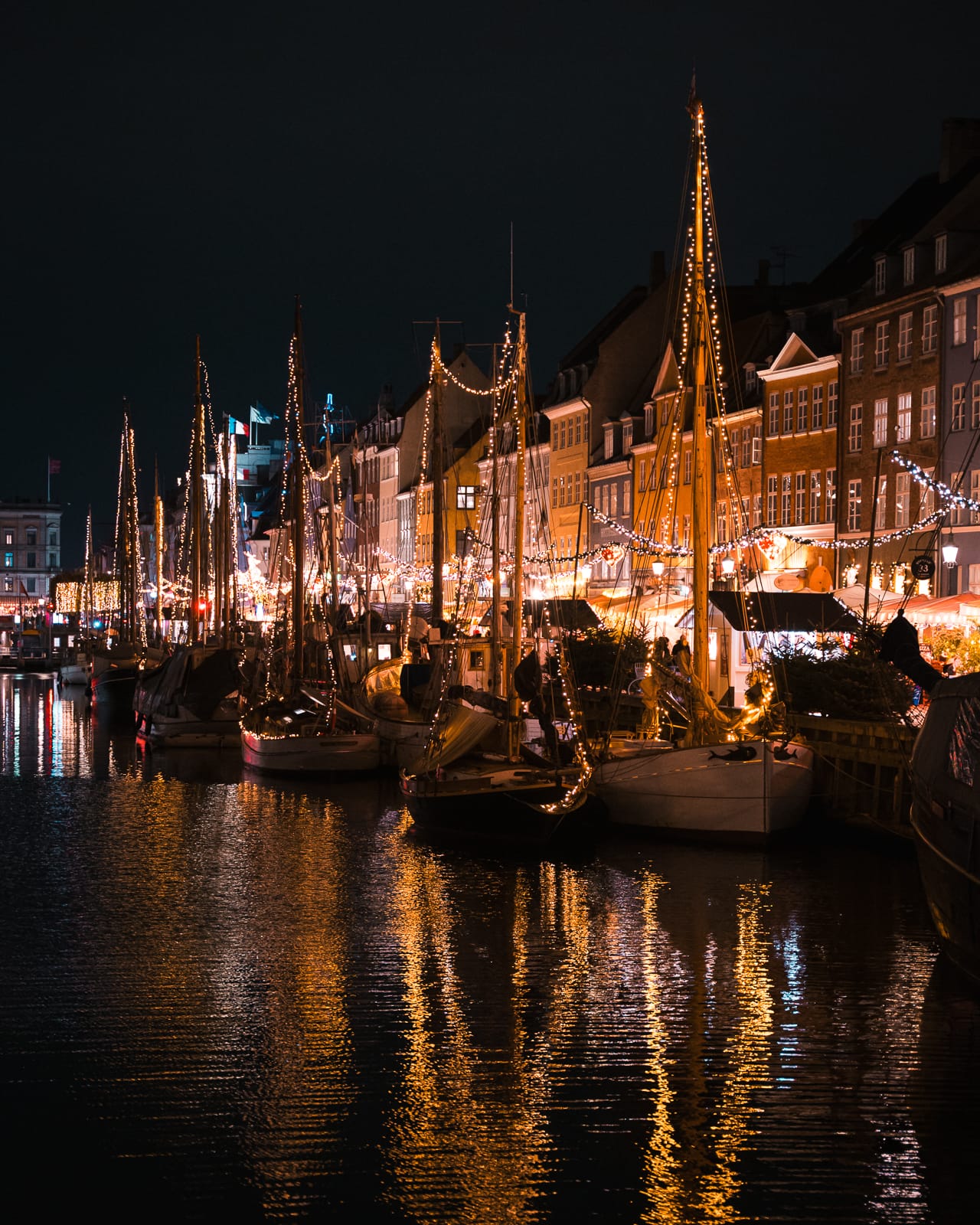
- Winter (November to February) - Cold and dark, but a cosy time to visit with christmas markets, festive lights, museums, and cafes creating a hygge atmosphere.
6. How many days do you need in Copenhagen?
We'd recommend at least 3 to 4 days in Copenhagen to explore at a relaxed pace.
This gives you enough time to see the main attractions, explore different neighbourhoods, visit a few museums and enjoy the city’s food and café scene without rushing.
Shorter trips of 2 days are possible but can feel quite packed, while longer stays allow for day trips or a more relaxed pace.
If you’re planning your trip, you can follow my Copenhagen itinerary to help decide how many days to spend and how to structure your visit.
 Rory Watson
7. Does Copenhagen have public transport?
Yes, Copenhagen has an excellent public transport system that is clean, reliable, and easy to use!
Public transport in the city consists of the metro system, buses, S-trains and even harbour buses, all of which connect the city centre with outer neighbourhoods and the airport.
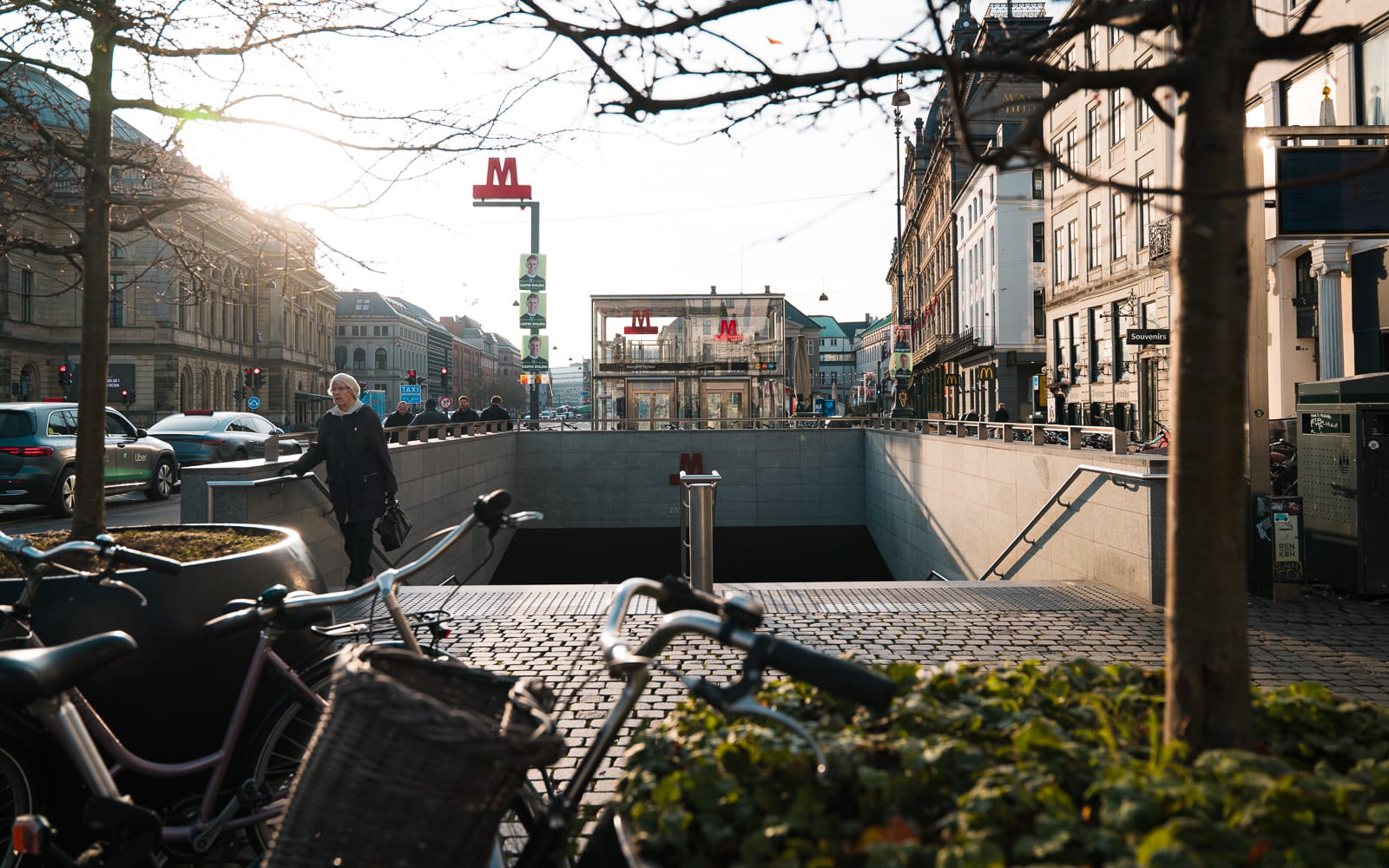
The metro runs frequently and actually operates 24-hours a day, so it's perfect for getting to the airport or city centre at any time of day.
Tickets work across all forms of public transport and you'll find ticket machines at all of the metro/train stations, or you can use their public transport app called "Rejsebillet", which allows you to tap on and off public transport so you don't have to buy paper tickets.
You can also buy day passes and city passes which can help save money if you plan to travel a lot during your trip!
8. Is Copenhagen a walkable city?
Copenhagen is a very walkable city, especially in the city centre and surrounding neighbourhoods - we explored all of the city on foot and only got the metro to get to our hotel and the airport.
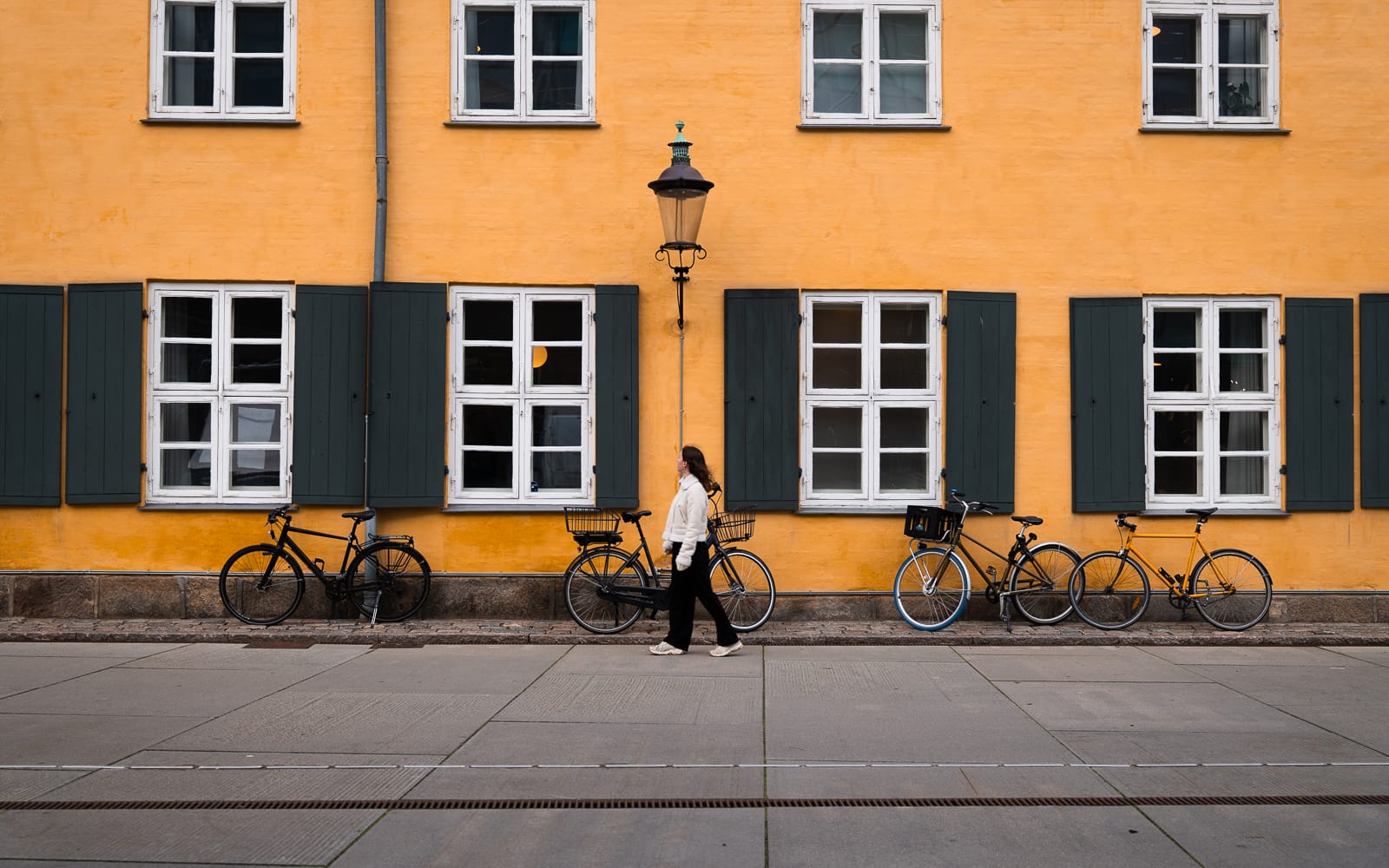
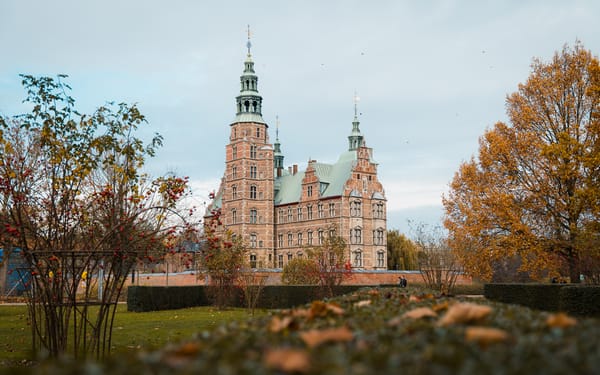
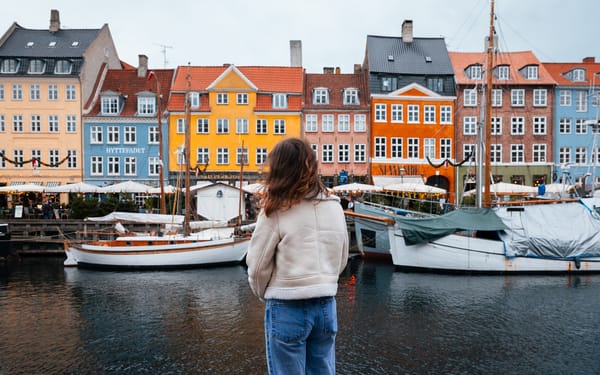
Many of the main attractions, including Nyhavn, Tivoli Gardens, Rosenborg Castle and the The Round Tower are all located in the city centre and can easily be explored on foot.
You might also be aware of how bike-friendly Copenhagen is, with an extensive network of dedicated bike lanes, traffic lights for cyclists and clear cycling rules - it makes riding a bike feel safe and accessible, even for first-time visitors.
Top Rated Walking Tours
9. Is tipping expected in Copenhagen?
Tipping is not expected in Copenhagen, as service charges are already included in restaurant and bar prices.
Unlike in some other countries, staff in Denmark are paid a fair wage, so tipping is not a normal part of the culture.
That said, if you receive particularly good service, you can round up the bill or leave a small tip, but it’s completely optional.
10. Is Copenhagen safe for tourists?
Copenhagen is considered a very safe city for tourists, including solo travellers - we felt very safe, even when walking through the streets to our hotel at 1am!
Violent crime is rare, but with any major city, petty crime like pickpocketing can happen in busy tourist spots, so it’s still important to stay aware of your belongings.
11. Do you need travel insurance for Copenhagen?
While travel insurance is not legally required to visit Copenhagen, it is highly recommended - Denmark has excellent healthcare, but medical treatment can be expensive for visitors without insurance.
Travel insurance can also cover cancellations, delays, lost luggage and other unexpected issues during your trip - which we've experienced a lot of, so having insurance is a must for us.
12. What’s the weather like in Copenhagen?
Copenhagen has mild summers and cold winters, and the weather can be very changeable throughout the year (it's fairly similar to the UK).
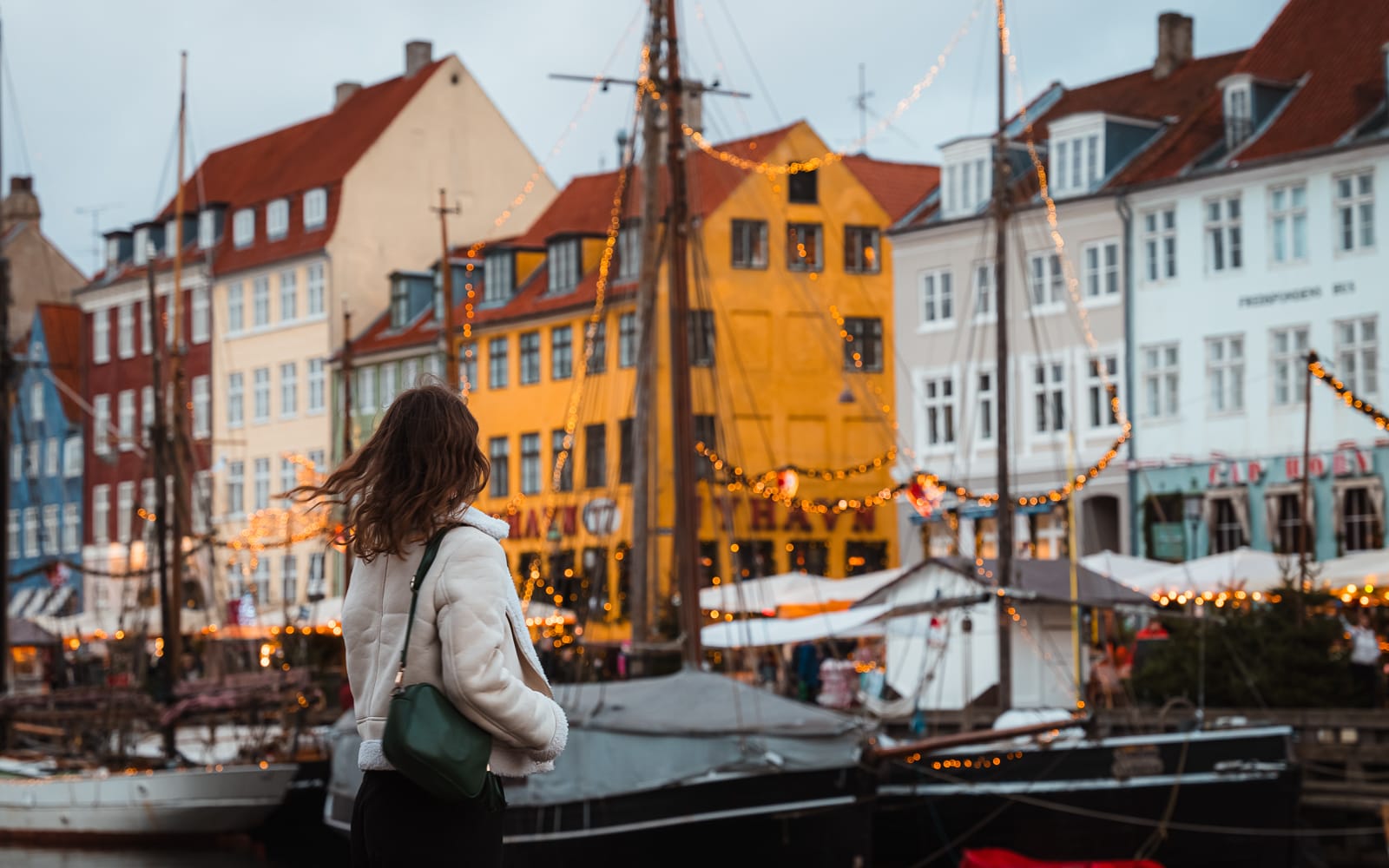
We visited in mid-November and temperatures were between 5-10°C, but it felt a lot colder because of the wind - so definitely pack layers just in case.
- Spring (March-May): Cool to mild, with average temperatures around 5-15°C.
- Summer (June-August): Mild and pleasant, averaging 16-22°C, with long daylight hours.
- Autumn (September-October): Cooler and crisp, with temperatures around 10-15°C.
- Winter (November-February): Cold and dark, averaging 0-5°C, with occasional snow.
👋 We hope that you found this guide helpful! Before you go - don't forget to read our other Copenhagen travel guides for more tips, suggestions & advice.